A practical guide to choosing the right platform — from SMB to enterprise
B2B ecommerce has finally grown up.
In 2023, the global B2B ecommerce platform market reached $9.98B in software revenue, growing 11.2% YoY. What’s more important than the number, though, is what changed:
the historic trade-off between cloud flexibility and enterprise-grade B2B functionality has largely disappeared.
Today, companies of all sizes can choose from 60+ viable platforms — purpose-built B2B solutions, adapted B2C tools, ERP-native commerce, composable stacks, and open-source alternatives.
This article breaks down what actually matters in 2025, and which platforms fit which stage.
TL;DR — how to think about B2B ecommerce platforms
Before diving into vendors, anchor on these truths:
- There is no “best” B2B platform, only best-fit
- ERP context matters more than feature checklists
- Time-to-value now beats theoretical scalability
- Buyers expect B2C-level UX, even in complex B2B flows
- Composable ≠ enterprise-only anymore
With that in mind, let’s break the market down by maturity.
SMB: B2B without enterprise pain
Small and growing B2B businesses need:
- Customer-specific pricing
- Net payment terms
- Fast reordering
- Minimal implementation effort
Shopify B2B: the fastest way in
Shopify is no longer “just DTC.” On Shopify Plus, B2B merchants get:
- Company accounts with multiple buyers
- Customer-specific price lists
- Net terms (15–60 days)
- A dedicated B2B storefront theme with quick order
Best for: DTC brands adding wholesale, CPG, fashion
Trade-off: Advanced workflows still require customization
BigCommerce B2B Edition: open SaaS flexibility
BigCommerce’s B2B Edition focuses on:
- Unlimited customer price lists
- Native quote management
- Role-based purchasing
- Assisted selling (Sales Rep Masquerade)
Best for: Mid-size wholesalers who want SaaS + APIs
Trade-off: Pricing starts higher than pure SMB tools
WooCommerce B2B: lowest total cost
For teams comfortable managing WordPress:
- B2BKing, Wholesale Suite, and WholesaleX cover most needs
- Annual total cost often under $2,500
Best for: Budget-conscious, technical SMBs
Trade-off: You own hosting, security, and plugin conflicts
Mid-market: where B2B complexity begins
Once revenue and order complexity grow, SMB tools start to break.
Mid-market B2B typically needs:
- Account hierarchies
- Complex pricing logic
- ERP integration
- RFQ → quote → order workflows
OroCommerce: purpose-built for B2B
Built by Magento’s original founders specifically for B2B.
Strengths:
- 70–80% B2B features out of the box
- Visual workflow engine
- Native CRM
- Punch-out catalogs (Ariba, Coupa, OCI)
Best for: Manufacturers and distributors with real complexity
Cost reality: Enterprise license + implementation ≈ $250k+
Sana Commerce: ERP-first, real-time
Sana connects directly to ERP systems (Dynamics & SAP), avoiding sync layers.
What you see in the ERP is what buyers see online — in real time.
Best for: ERP-centric organizations
Trade-off: Less flexibility outside ERP logic
Other strong mid-market players
- Optimizely Configured Commerce → complex manufacturing
- Unilog CX1 → industrial distribution
- Pepperi → CPG & field sales-driven models
- NuORDER → fashion & wholesale ecosystems
Enterprise: global scale, global pain
Enterprise B2B platforms must handle:
- Multi-country operations
- Deep ERP integration
- Billions in GMV
- Complex approval and pricing models
SAP Commerce Cloud: the incumbent
Still the deepest SAP ecosystem integration available.
Reality check:
- Long implementations (12–24 months)
- High TCO
- Best suited if SAP is already unavoidable
Salesforce Commerce Cloud B2B
Salesforce’s edge is CRM-native commerce:
- Unified sales, service, and commerce data
- Strong AI (Einstein, Agentforce)
Trade-off: GMV-based pricing escalates quickly at scale
Adobe Commerce (Magento): ultimate flexibility
Adobe remains the customization king:
- Complex company hierarchies
- Negotiated quotes
- Hybrid B2B/B2C from one instance
Best for: Organizations needing deep control
Trade-off: Complexity and cost
Composable & headless: no longer niche
Composable commerce has moved from buzzword to default architecture for many teams.
Leaders in composable B2B
- commercetools
- Spryker
- Elastic Path
- Sitecore OrderCloud
Why teams choose them:
- Faster time-to-value
- API-first scalability
- Freedom from monolith lock-in
Composable is now mid-market viable, not just enterprise-only.
Open-source: control over convenience
For teams prioritizing ownership:
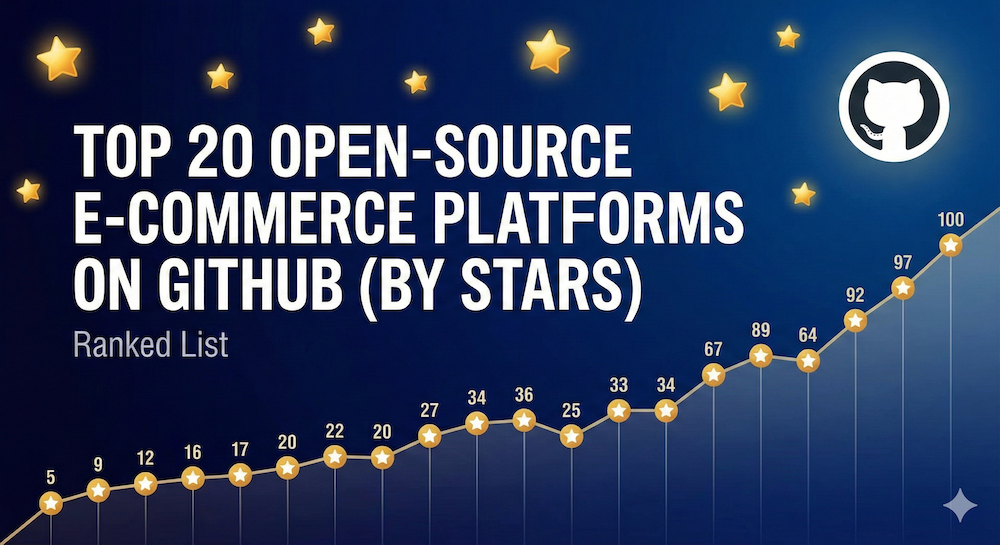
- OroCommerce Community Edition
- Sylius
- Virto Commerce
- Spree
Lowest licensing cost, highest technical responsibility.
Market trends shaping 2025
A few shifts are now undeniable:
- AI is table stakes, not a differentiator
- B2B marketplaces are the fastest-growing channel
- Punch-out catalogs are expected, not special
- Implementation speed wins deals
- UX expectations mirror B2C
Final takeaway
The B2B ecommerce platform market has matured — and fragmented.
Winning teams don’t ask:
“What’s the best platform?”
They ask:
- What ERP reality do we live in?
- How complex are our buyers today, not in 5 years?
- How fast do we need value?
- Where do we actually differentiate?
Answer those honestly, and the right platform usually becomes obvious.